Movies in Original Language

Berlin • 269 movies in OV/OmU/OmeU versions, shown in 59 cinemas
 Feeling overwhelmed by the number of movies? Use the filters below to narrow down your choices. You can hide movies you've already seen or aren't interested in.

 No showtimes on this day match your current filters. You can adjust the filters above.
 | |
 Sci-Fi, Adventure
 FSK 12
 English, Russian
 OmU
 8.3
 4.2
 90%
 88%

| |
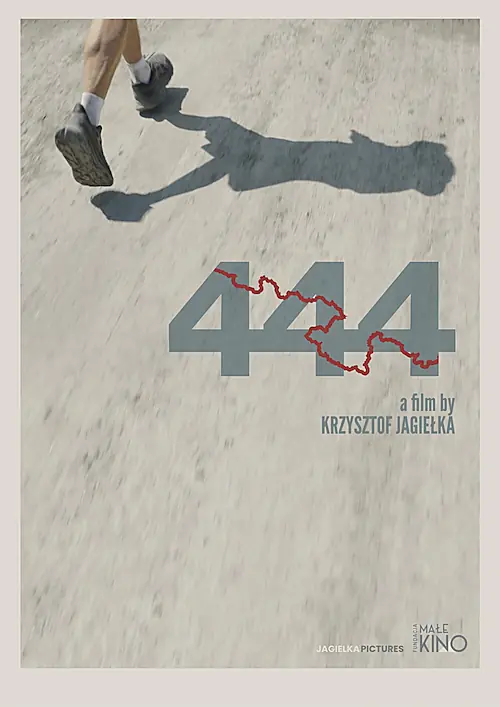 | The film "444" documents an uncompromising record attempt on the Main Sudeten Trail—a monumental route spanning 444 kilometers and an incredible 14,000 meters of elevation gain. Yet, this work by Krzysztof Jagiełka is far more than a mere sports documentary; it is an intimate character study exploring pure passion, iron-willed determination, and the relentless struggle against the prospect of one’s own failure. |
 | |
| |
 | |

| |
| |
| |
 | |
 | |
 | |
| |
 | |
| |
 | |
| |
 | |
 | |
| |
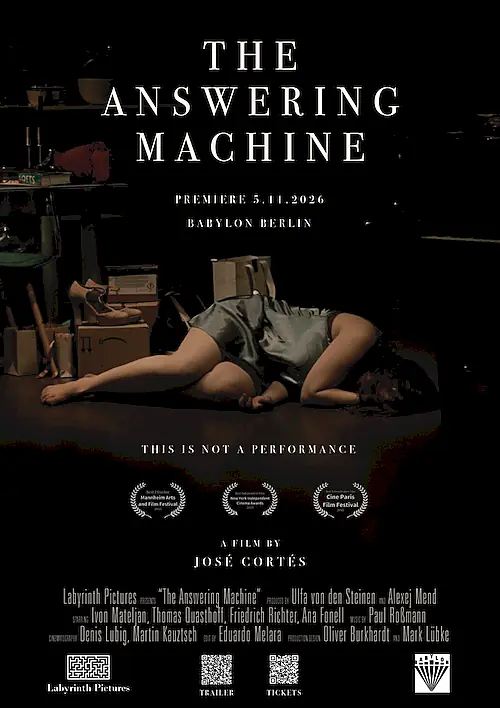 | Julia, a young opera singer from Berlin, lives for her art. But between the expectations of her family, the pressures of an uncompromising career and growing emotional isolation, her inner balance begins to fracture. As messages accumulate on her answering machine, the voices of the outside world start to penetrate ever deeper into her mind. What first seems ordinary and familiar gradually becomes part of an internal soundscape in which memory, fear and reality can no longer be clearly separated. |
| |
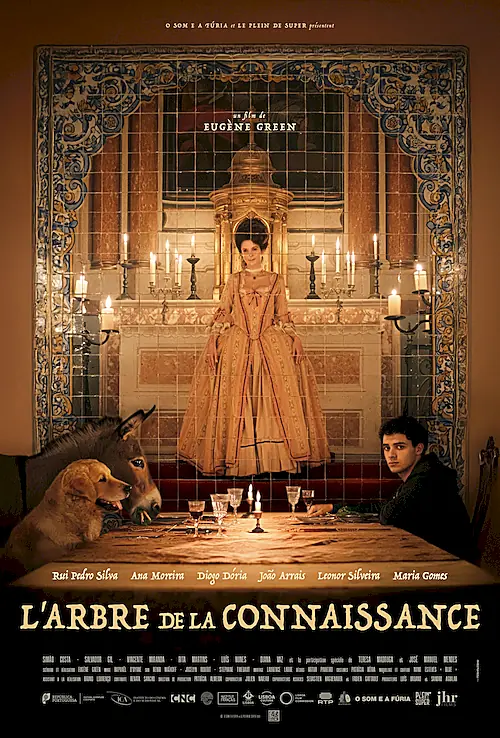
 | The misfortunes of Sofia, the exemplary Madalena and Camila, the troubled holidays of the girls and boys, a few years later that lead to the resolution of some mysteries, are the Countess of Ségur's perfect trilogy about education, social, religious and political power. Desire and its oppression, violence and punishment, in short, the terrible loss combined with inevitable growth. |
 | B-MOVIE is a documentary about music, art, and chaos in the wild West Berlin of the 80s. Before the Iron Curtain fell, artists and communards, squatters and hedonists of every color roamed here. The walled-in city was a creative melting pot for subculture and pop culture, "Genial Dilletantes" and world stars. B-MOVIE tells the final decade of the divided city, from punk to the Love Parade, with authentic film material and original interviews. Featuring Annette Humpe, Blixa Bargeld, Nena, Nick Cave, David Bowie, Gudrun Gut, Westbam, Joy Division, Zazie de Paris, Die Toten Hosen, the "real" Heino, Einstürzende Neubauten, Die Ärzte, The Unknown, Malaria!, Notorious Reflexes and many more. |
 | |
 | |
| |
 | |
 | Die Basler Architektin Barbara Buser rettet Gebäude vor dem Abriss und baut diese mit wiederverwendetem Material um. Sie verwandelt ehemalige Industrieareale zu urbanen Lebensräumen, die für einen sorgfältigen Umgang mit der Umwelt und dem Miteinander von Mensch und Umgebung stehen. Als Frau, die in einer Männerdomäne erfolgreich ihren eigenen Weg geht, ist Barbara Buser Vorbild für die junge Generation, die für eine nachhaltigere, gerechtere Welt kämpft. |
| |
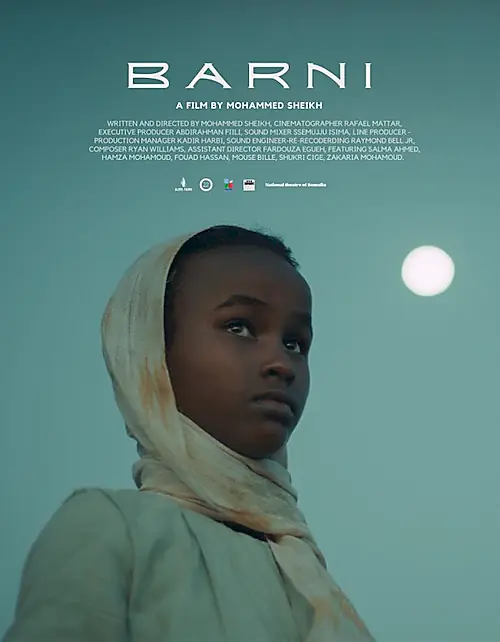 | In a quaint Somali village where herding families coexist, an event disrupts the peace and 9-year-old Barni gets lost after a celebratory wedding, leaving the community in distress. Despite the exhaustive efforts of the village, Barni can’t be found, leaving her older sister Amina and her friends Hirsi and Geedi to set out on a journey to the city to locate her. |
 | |
| |
 | |
 | |
 | |
| |
 | |
| |
 | |
 | |
 | |
| |
 | |
 | |
 | |
 | |
 | |
| |
 | |
 | |
 | |
| |
 | Rick's Cafe in Casablanca is a meeting place for many people from Europe who want to flee to America during World War II. Rick Blaine, the owner of the cafe, reunites with Ilsa here, with whom he had an affair in Paris. But a revival of their old feelings is doomed to fail, as Ilsa's husband Victor must be saved from the Nazis. |
 | |
| |
 | |
 | |
 | |
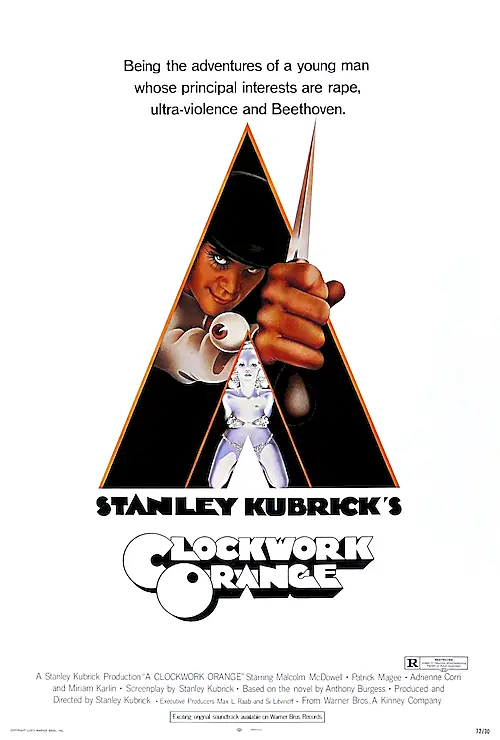 | Kubrick turns Anthony Burgess' famous novel into a brutal and satirical morality tale, centered on Alex, who fights, robs, violates, and murders like a remorseless predator. Alex is arrested and imprisoned. He undergoes a gruesome procedure meant to make him "fit for society" again; functioning like a "clockwork orange," outwardly healthy and intact, but inwardly crippled and limited to reflexes. |
| |
 | |
 | |
 | |
 | |
| |
 | |
| |
 | |
| |
 | Two angels watch over Berlin. Damiel (Bruno Ganz) and Cassiel (Otto Sander) are silent observers, accompanying people through the city's rooftops and streets. They hear their thoughts and feelings, without being able to feel them themselves. Ever since Damiel fell in love with the trapeze artist Marion (Solveig Dommartin), he struggles with his fate. He would love to become human. To do this, he would have to become mortal, with all the consequences. A former angel (Peter Falk) advises him to take the plunge into life. |
 | |
 | |
 | |
 | |
 | |
| |
 | |
 | |
 | |
 | |
 | |
 | |
 | |
 | |
| |
 | |
| |
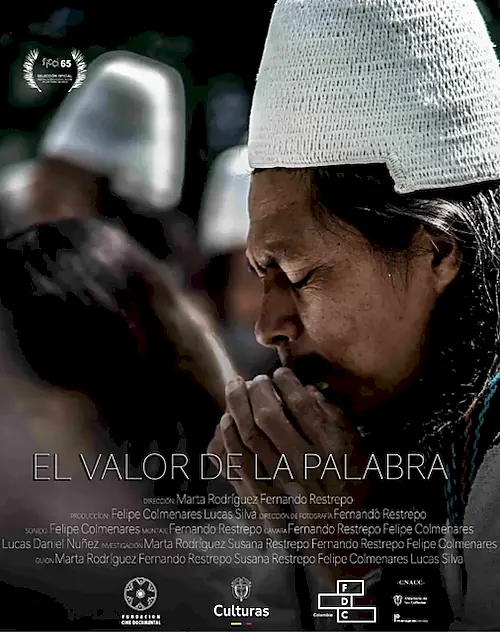 | Amid testimonies of pain, an ancestral wisdom emerges, one in which the land is a living being, women are weavers of knowledge, and words are the thread that sustains the existence of the Arhuaco people. From this emerges a profound reflection on leadership, gender, and the responsibility of weaving the thread of life for future generations. This documentary is an act of resistance against the ongoing colonial, religious, and military violence, as well as the structural impunity in Colombia. A lesson in what it means to defend life. |
| |
 | In the town of Entroncamento, violence, misfortune, greed, and loyalty rule the streets. Laura arrives there to rebuild her life, but the irresistible pull of quick money and crime immediately draws her back into a troubled past. For those she meets at this crossroads, every day presents the choice between who they were and who they might become. |
| |
 | |
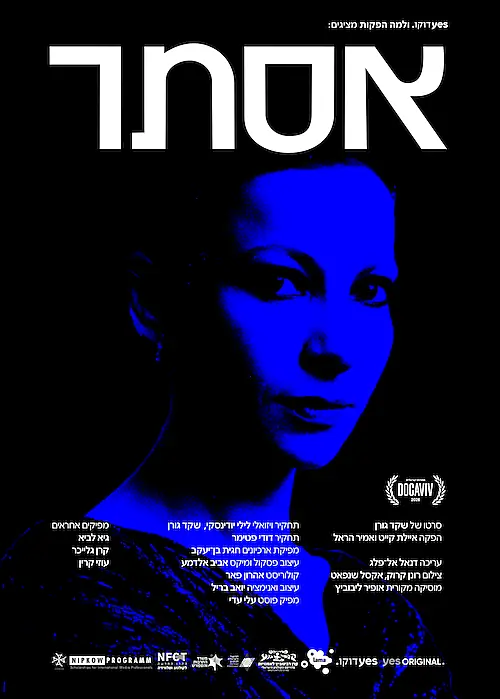 | Esther Ofarim was once the voice of Israel. Now 85, she lives a quiet life in Hamburg, far from the Middle East. After achieving global stardom, her move to Germany in the 1960s brought European acclaim but growing rejection in Israel, rendering her both iconic and invisible. Through intimate phone conversations and rare archival footage, the film explores the emotional cost of exile and the life of an elusive artist caught between clashing identities. It is a journey through places and times, tracing the portrait of a woman who never sought to be a national symbol, and whose legendary voice continues to echo in the homeland she left behind. |
 | |
 | |
| |
 | |
| |
 | |
 | |
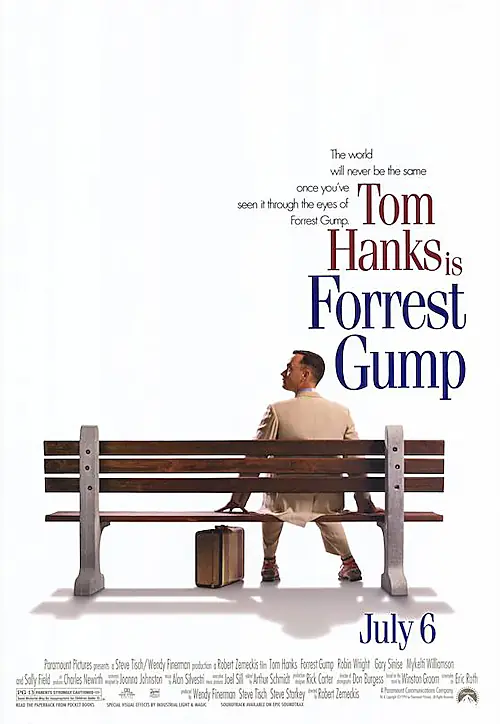 | "Life is like a box of chocolates. You never know what you're going to get." This wisdom only partially summarises the life of Forrest Gump. While waiting for the bus, Forrest Gump (Tom Hanks) reports on his tumultuous life as a mentally and physically disadvantaged boy, with an IQ of 75, bullied by his classmates, who not only invented the famous hip swing of Elvis Presley, but also became a famous football player, ping pong champion, long-distance runner, and celebrated war hero. In addition to his encounters with historical figures such as John F. Kennedy, John Lennon, and Richard Nixon, Forrest Gump unwittingly uncovers the Watergate scandal, builds up the Bubba Gump Shrimp empire, and becomes a millionaire through investing in Apple stocks. Through all his experiences, the love for his best friend Jenny (Robin Wright), who has always supported him, is a common thread. This is the day Forrest Gump will finally see her again. |
 | |
 | |
 | |
 | |
 | |
 | |
 | |
 | |
 | |
 | |
 | For 40 years, the Mitte district was at the center of Berlin, followed by 40 years of separation by a wall. The western part was a wound of the Soviet empire. In the early 90s, after the fall of the wall, a habitable space for people from the former western foreign countries emerged in the Spandauer Vorstadt. International young artists found vacant, affordable apartments in the formerly strictly guarded border area near Friedrichstraße and experienced a freedom that had disappeared in their home countries. The film GESTERN MITTE MORGEN tells the story of these people, their places of life, longings, their everyday life and their art. |
 | Genre-defining science fiction anime from 1995. The animated film, based on the manga of the same name by Masamune Shirow, is considered a classic of the anime genre and particularly appeals to adults with the existential philosophical questions it raises. Motoko Kusanagi, a major in a police unit, is hunting the "Puppet Master," a cyberspace life form that has gotten out of control, in 2029. |
| |
 | |
 | |
| |
 | |
 | |
| |
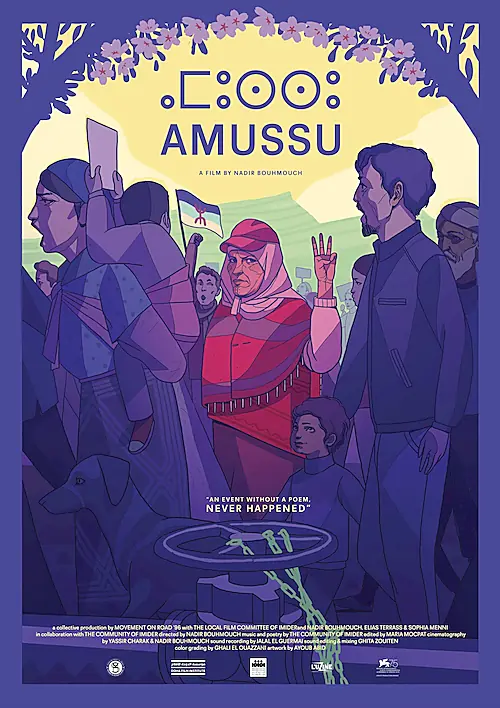
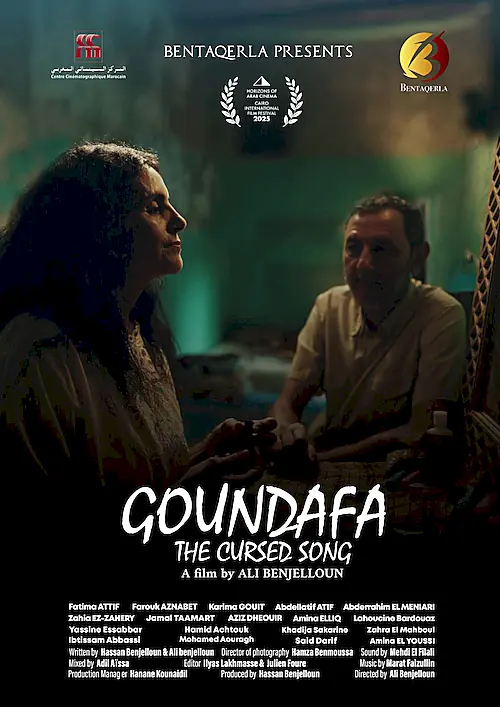 | In a village in the High Atlas, Said, Brahim, and Omar make music and dream of a different life. Music is their freedom, their identity. When a new imam arrives, the atmosphere slowly begins to change. What was once a close-knit community becomes divided. What once felt natural comes under pressure. The women of the village, including Fadma, work the land with song and joy, but everything shifts when the deeply conservative imam takes hold. Step by step, he sows division by banning what he considers haram, pushing some villagers to deny their Amazigh identity, and driving others toward resistance. |
| |
 | |
| |
 | Gupi and her friends enter an abandoned apartment in their building to deliver a cake. By passing through a closet in one of the rooms, they find themselves in a dark, unhappy, and otherworldly dimension. This place is home to the palace of the King Who Does Not Smile, whose sorrow has spread across the entire realm. |
| |
 | What happens when women abandon rules, roles, and logic to follow their GUTS until the end of the road? Patrizia and Marie left everything behind and embarked on a five-month, 20,000 km off-road journey from France to Guinea-Bissau—with nothing but an old car, four surfboards, and a mission: to capture the stories of inspiring women redefining their place in society across Northwest Africa. |
 | Hadoota (Ahmed Helmy), a 40-year-old thug, can't remember the hiding place of a witness he kidnapped. He resorts to a hypnosis therapist (Amina Khalil) to retrieve this missing information. But, in order to restore his memory, he needs to confront old enemies, past events, and most importantly... himself. |
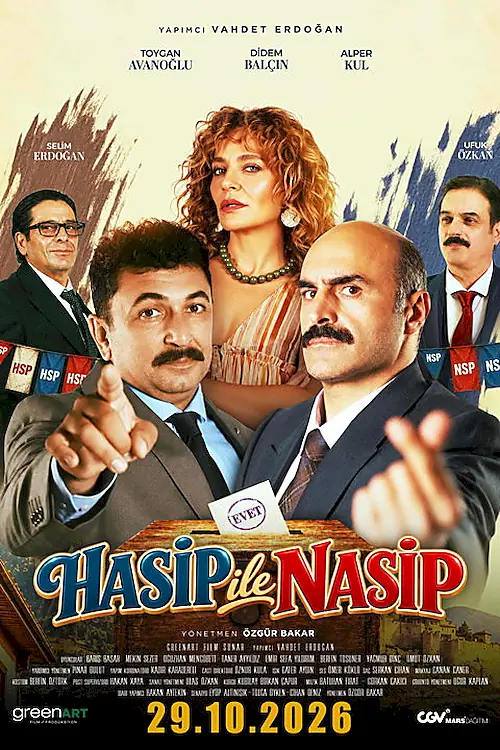 | The story centers around two childhood friends and perpetual rivals, Hasip and Nasip, who have historically alternated serving as the mayor of their small town. However, this predictable political dynamic is completely disrupted when their mutual childhood crush, Perihan, returns to town just as a third mayoral candidate named Vecdi enters the race. |
 | |
 | |
 | |
| |
 | |
 | |
| |
 | |
| |
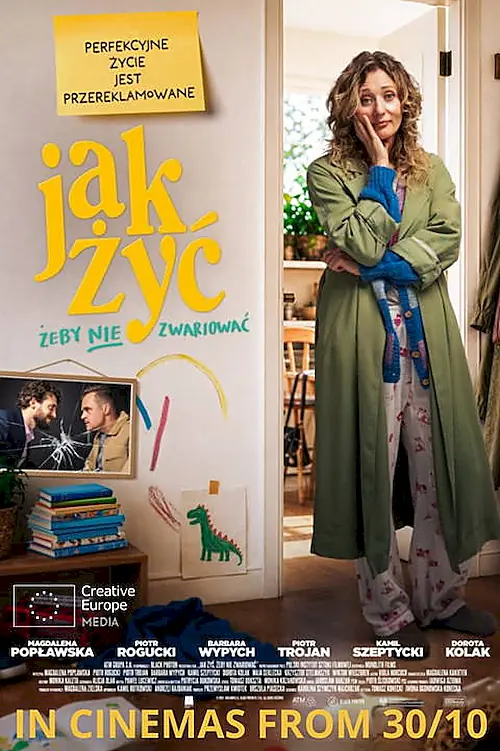 | Anka, a 40-year-old woman whose seemingly perfect life—complete with a loving husband, great kids, a stable job, and a central apartment—suddenly collapses into absolute chaos. Facing a painful divorce after her husband's infidelity, losing her job, managing her moody children, and dealing with a debt collector threatening her home, Anka realizes she must rebuild her existence from scratch. |
| |
 | |
| |
 | |
| |
 | |
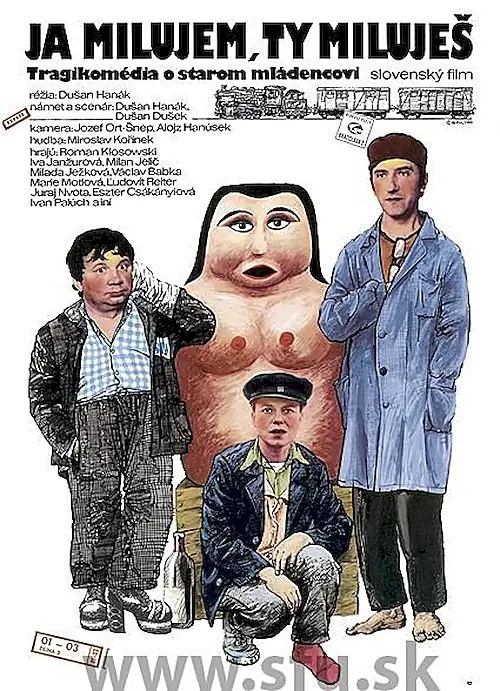 | Pista, a lonely bachelor, working in a Post office, takes to drinking to get over his small stature and unsightly appearance. He is hopelessly in love with his colleague Viera, who in turn is haplessly in love with Pista's friend Vinco. With fate being his adversary, he tries to make up for his situation with humor. |
 | |
| |
 | |
| |
 | Follows a tour guide and a failed actress who lead four female prison inmates on a motivational trekking excursion across the Pollino National Park to see a centuries-old pine tree. The challenging hike turns into a transformative journey about second chances, open wounds, and collective solidarity. |
| |
 | |
| |
| |
| |
| |
| |
| |
| |
| |
| |
| |
| |
| |
| |
| |
| |
| |
| |
| |
| |
| |
| |
| |
| |
| |
| |
| |
| |
| |
| |
| |
| |
| |
| |
| |
 | |
 | |
 | |
 | |
 | |
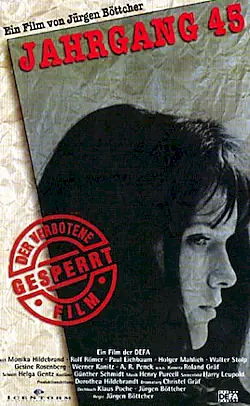 | This movie was banned by East German authorities because it was perceived as "anti-socialist" and harmfully critical of the state, particularly for its portrayal of disillusioned youth, its skeptical attitude toward socialist society, and its depiction of Berlin locations as "sad, inhospitable, dirty and unkempt." The director was not allowed to finish it, and it didn’t reach screens until 1990. DDR film from the mid-60s: Li and Al, not long married, want to divorce. They feel trapped in their marriage and in their one-room apartment. They long for an unconventional, meaningful life, but the search for meaning confounds them. |
 | |
 | |
 | |
 | |
 | |
 | |
 | |
| |
 | |
| |
 | |
 | Riots break out in the bleak social housing estates of the Paris suburbs after a 16-year-old Arab boy was nearly beaten to death by the police. After a night full of violence between adolescents and the police, a state of emergency prevails. Driven by hatred against the system, the friends Hubert, Said, and Vinz stand at the forefront, on a day that will change their lives. |
 | |
| |
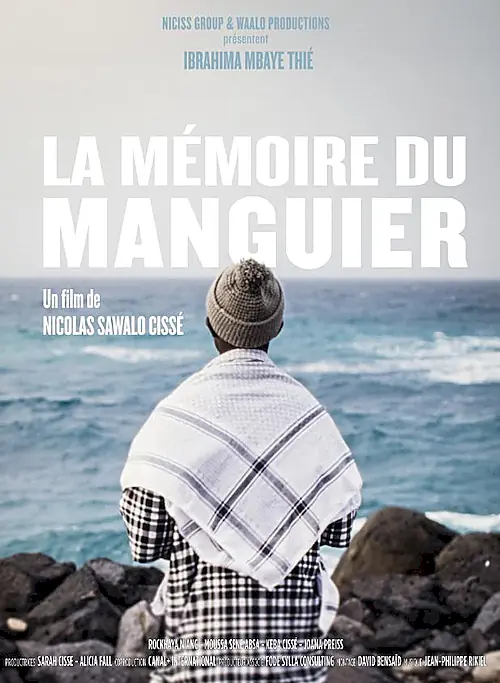 | The film follows Imam Habibi, a deeply respected spiritual and community leader in an informal settlement near Dakar, Senegal. He sits under a large mango tree to listen to neighbors and resolve conflicts. When he is diagnosed with Alzheimer's disease, the entire community mobilizes in a collective display of solidarity to care for him. |
 | |
| |
 | |
 | |
| |
 | After fleeing violence at age 15, Pacho spends four decades away from Anserma. Now a photograph sparks a desire to return, and on his journey home —imagined as an interstellar voyage— he searches for what he left behind. The lingering traces of death intertwine with a landscape of rural expressionism, memory, and history |
| |
 | In Bucaramangas stadium, football fan culture is a world dominated by men. For a decade, a collective of women has supported their team from the stands, but traditional fan culture prevents them from officially organizing and flying their own flag. Led by Natalia, they challenge their exclusion, facing harassment and violence. Meanwhile, Natalia fights to keep custody of her daughter, as her political activism threatens her position in family court. This film celebrates sisterhood and explores the limits of womens resilience when the stadium lights go out. |
| |
 | |
 | |
 | |
| |
 | |
| |
 | |
| |
 | |
| |
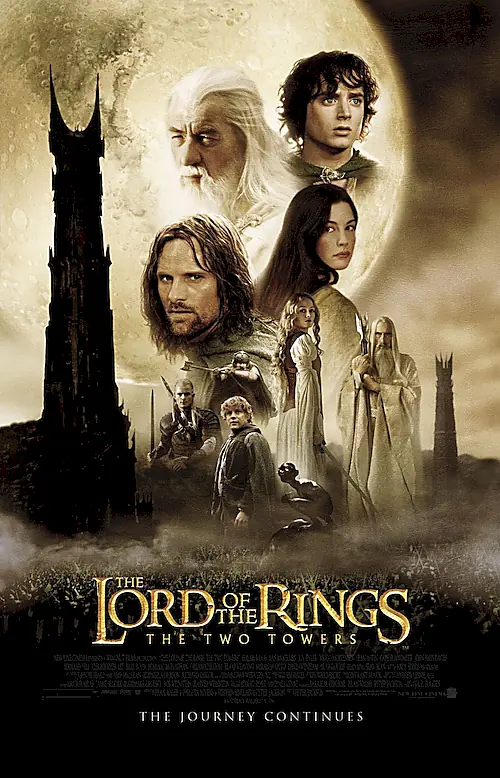
 | The complete Lord of the Rings trilogy in its original English version on the big screen! We're showing "The Lord of the Rings: The Fellowship of the Ring," "The Lord of the Rings: The Two Towers," and "The Lord of the Rings: The Return of the King" back-to-back in their extended versions, in the original English version, as a triple feature. The Lord of the Rings triple feature will have an estimated running time of approximately 726 minutes and will include two intermissions. |
 | |
 | |
 | The AfrikaBurn festival—the largest offshoot of the world-famous Burning Man festival—takes place in the middle of the South African desert. Here, a diverse group of friends is planning a unique experiment: the construction of their "LOVEBOX" spaceship. On board, two strangers meet for a few minutes, look into each other's eyes, and share what love means to them, forging a deep connection between them. |
| |
 | A talk and screening exploring everyday life in Soviet-era Lithuania through rediscovered amateur and home movies. Presented by Meno Avilys, the event will feature a selection of newly digitised Lithuanian amateur and home movies from the 1960s, introduced by Ona Kotryna Dikavičiūtė, curator, semiotician and Artistic Director of Meno Avilys, offering a rare glimpse into everyday life in Soviet-era Vilnius. |
| |
| |
| |
| |
 | |
 | The story tells of growing up in provincial West Germany in the 1980s, in a family where one subject dominates everything: the mother's body weight. Is this beautiful, strong-willed, unpredictable woman too big? Does she really need to lose weight? Yes, she does. Decides her husband, who is increasingly dominated by the obsession that his wife's overweight is responsible for everything he is being denied: the promotion, the social ascent, the approval in the village community. And the mother is exposed to this, day after day. |
| |
 | |
 | |
 | |
 | |
| |
 | |
| |
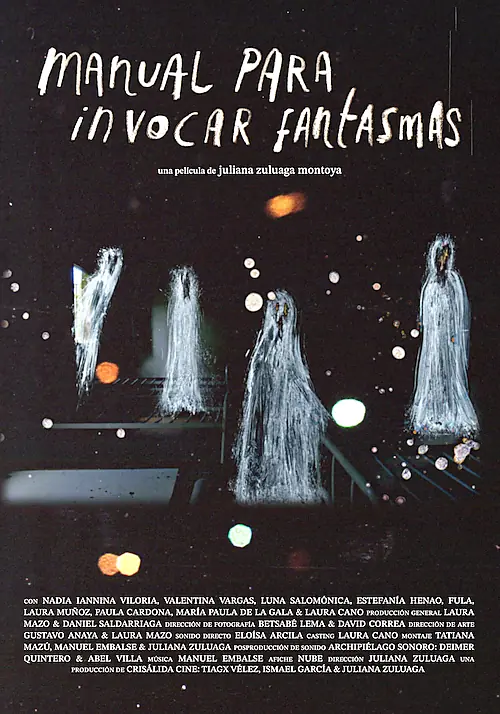 | Between 1950 and 1960, members of Opus Dei arrived in Colombia to expand their influence in Latin America. In 2021, the complaint against this organization by 43 women for trafficking and exploitation reopened the historical wound. In an exercise of imaginative memory, a group of actresses enters an abandoned school to create a play inspired by those silenced lives. |
 | |
 | |
 | |
 | |
 | |
 | The film revolves around Farouk (Karim Abdel Aziz), a supermarket manager who is too busy to attend to his home, his wife Mai (Yasmine Sabri), and his children. His wife's unemployed brother, Galal (Mostafa Khater), moves in with the family, completely turning Farouk's life upside down and dragging him into seemingly unsolvable predicaments—all set against a backdrop of comedy. |
| |
 | |
| |
 | |
| |
 | |
| |
 | |

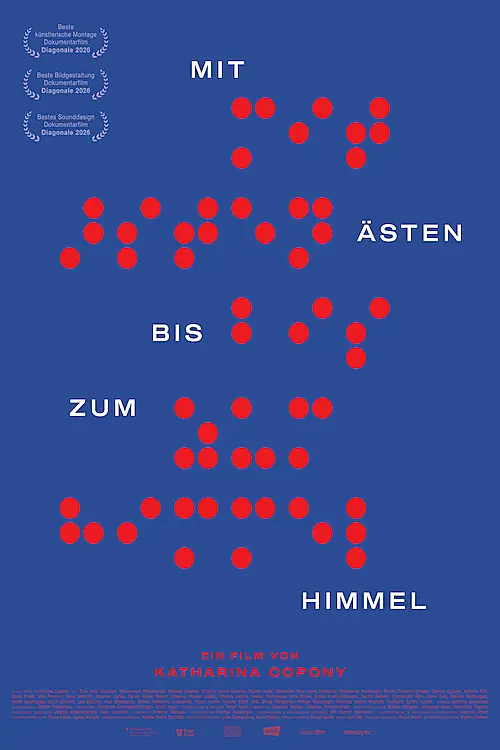 | At a school in Vienna, blind and visually impaired children and teens learn through hearing and touch. With particular attention to sound, Katharina Copony explores its world in her last film, opening up the film to a space of sensory experience. When writing, composing poems, playing soccer, and walking through the institute and public space, sounds, music, rhythms, and materialities move to the center of awareness. |
 | |
 | |
| |
 | |
| |
 | |
| |
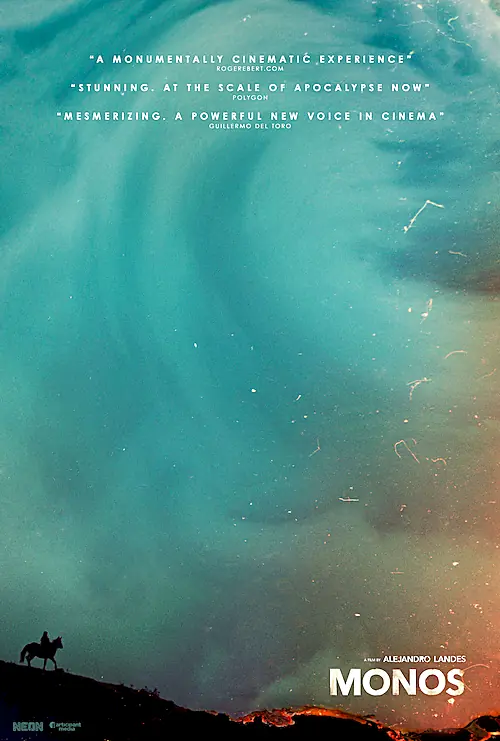
 | In Venezuelan Guayana, large gold reserves lie beneath "moriche" palms, attracting multitudes of miners to the territory. A fictional explorer narrates a journey from far-flung mines in the jungle to the banks of the Orinoco River, trying to understand the uncertain fortune of humanity immersed in the anxious quest for treasure. His reflections combine illustrations and photochemical paintings to draw a map of the extraction and commercialization of gold, object and symbol through which he questions where value resides. |
 | |
| |
 | |
| |
 | |
| |
 | |
 | |
 | |
 | |
| |
 | |
 | |
| |
 | |
| |
 | |
 | |
| |
 | |
| |
 | |
| |
 | |
 | |
 | |
 | |
 | |
| |
 | |
| |
| |
 | |
| |
 | |
 | |
 | |
| |
 | |
 | |
| |
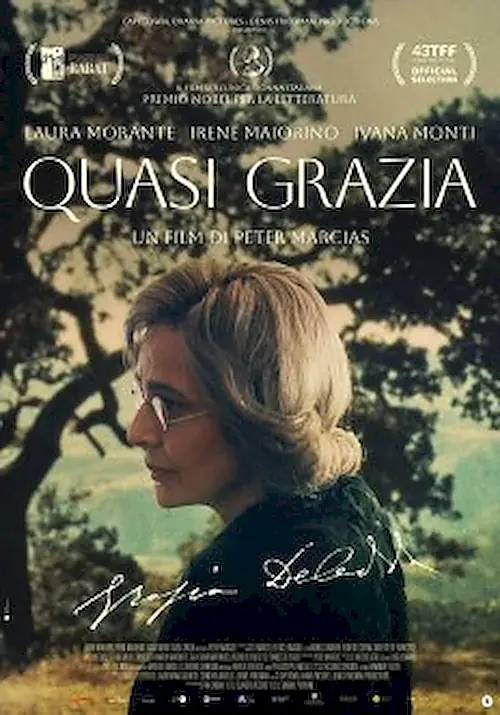 | Three pivotal moments mark the life of the celebrated Sardinian writer Grazia Deledda: the unexpected arrival of her mother from Nuoro, the hours leading up to the announcement of the world's most prestigious literary prize, and the moments when a doctor searches for the right words to deliver a difficult truth. At its heart lies the human journey of the only Italian woman ever to be awarded the Nobel Prize in Literature. A profound exploration of the relationship between women and writing, speaking directly to contemporary sensibilities. |
 | |
 | |
| |
 | |
| |
 | |
| |
 | Kingdom of Strangers (Randa Ali, Egypt 2023, 15', Fiction, Arabic with English subtitles) Don't Be Long, Little Bird (Reem Jubran, USA/Palestine 2025, 23', Fiction, English & Arabic with English subtitles) This My Best Life (Tadeo Boustany, Lebanon 2024, 9', Fiction, Arabic with English subtitles) Karun the Longest River of Iran (Sahand Sarhaddi, Iran/ Switzerland /Finland 2024, 19', Documentary, Persian with English subtitles) The Badaro Complex (Adam Mabrouk, Lebanon 2026, 10', Fiction, English & Arabic with English subtitles ) |
 | |
 | |
 | |
| |
 | |
 | |
 | |
 | |
 | Jack Torrance is the new caretaker of the Overlook Hotel in the mountains of Colorado. During the winter season, the house remains closed to guests, and so Torrance and his family are the only residents of the hotel for a long time. When the house is cut off from the outside world by a snowstorm, Jack's son Danny, who has psychic abilities, discovers that the hotel is cursed, and his father is slowly being driven into madness. |
| |
 | |
 | |
 | |
 | |
| |
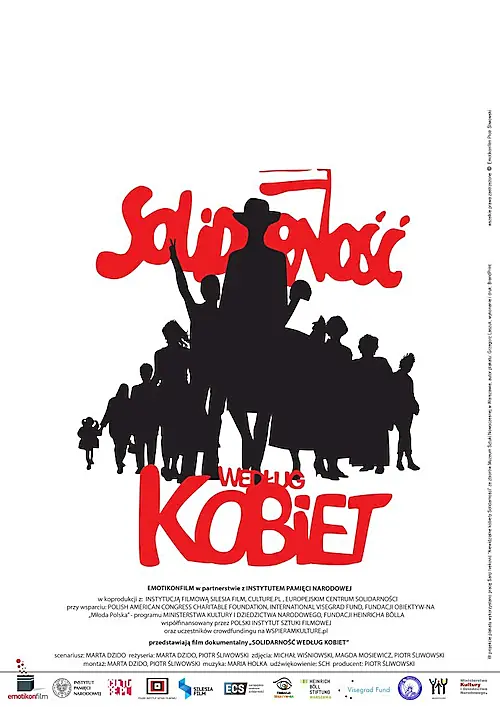 | It was women who closed the gates and launched the Solidarity strike when, on a Saturday in August 1980, workers, satisfied with a raise, stopped their protest and wanted to leave the Gdansk shipyard. If it had not been for the initiative of several determined women, perhaps there would not have been any August 1980 in Polish history. Under martial law, with the men in prisons, the women took on their role. They were not interested neither in joining the union's power structure, nor in particular posts. The most important thing was their work and its results. When communism in Poland came to an end on June 4, 1989, the vast majority of women in Solidarity disappeared from the political stage. They let themselves be forgotten when their colleagues were taking over the most important posts in power in a free Poland. This documentary by Marta Dzido and Piotr Sliwowski reminds us about these forgotten heroines, giving us a new perspective on the last 30 years of Polish history. |
| |
 | |
| |
 | |
 | |
 | |
 | |
 | |
 | |
 | |
 | |
| |
 | |
| |
 | |
| |
 | |
| |
| From the Dominican mountains to Haitian communities in Cuba and the Dominican Republic: five films examine the ways in which violence, migration and separation have continued to impact Haiti and the Dominican Republic into the present day. In dialogue with one another, they foreground ancestral knowledge, spirituality and community and reveal themselves to be a powerful tool for preserving identity, processing loss and imagining other futures. |
| |
 | |
| |
| |
 | |
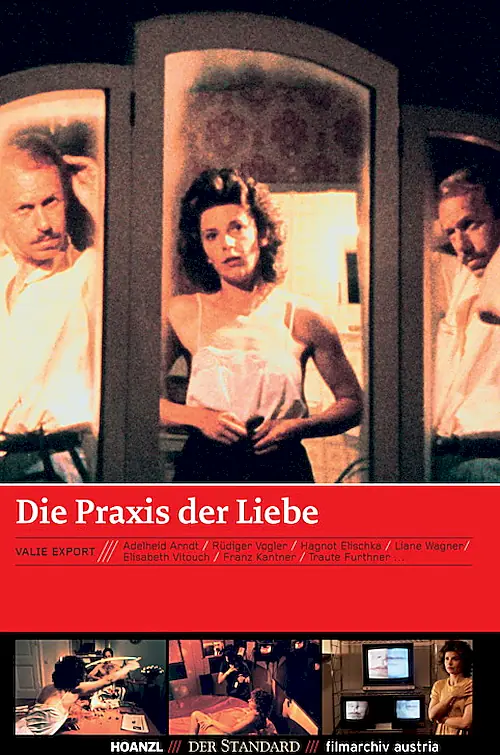
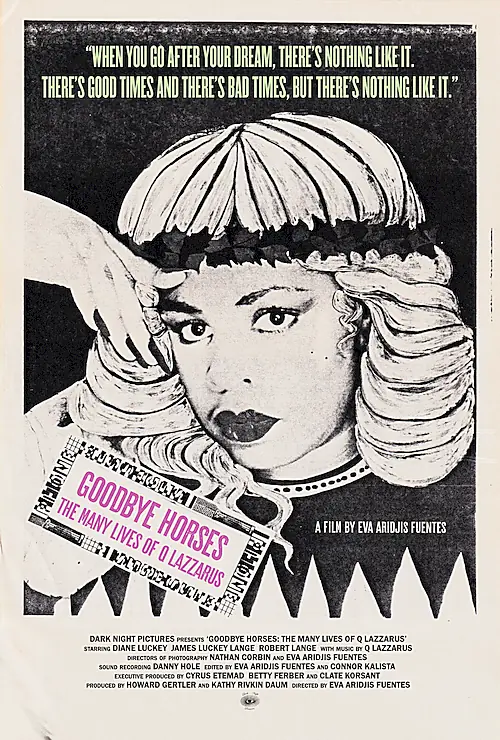
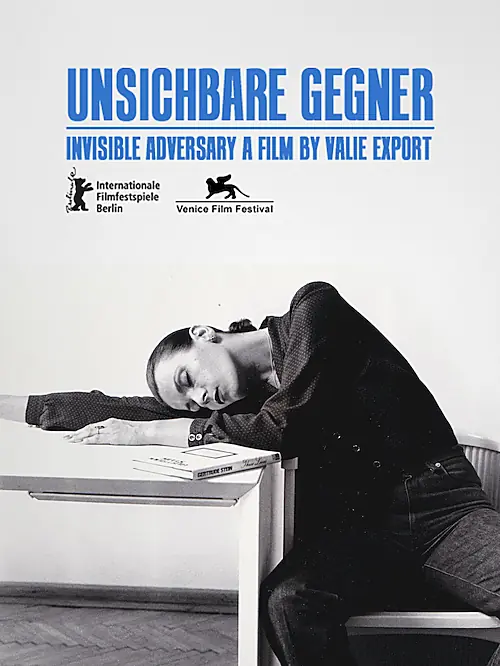 | Anna, an artist, is obsessed with the invasion of alien doubles bent on total destruction. Her schizophrenia is reflected in the juxtapositions of long movie camera takes with violently edited montages: private with public spaces; black & white with colour, still photographs with video, earsplitting sounds with disruptive camera angles. Anna uses her body like a map; after a devastating quarrel with her lover, she paints red stitches on herself. Watching their scenes together, we realize how seldom, if ever before, the details of sexual intimacy have been shown in film from the point of view from a woman. Export privileges rupture over unity and never settles for one-dimensional solutions (Artforum, Nov. 1980) |
 | |
| |
| |
 | |
 | |
| |
 | |
| |
 | |
 | |
 | |
 | |
 | |
| |
 | |
| |
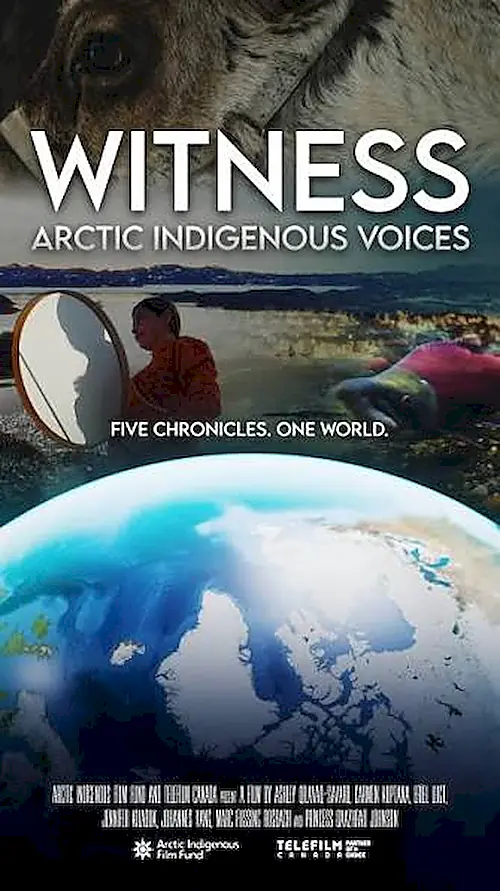 | Witness is a short documentary training initiative mandated to support the work of Indigenous filmmakers from the global circumpolar Arctic. Our planet’s climate is drastically changing, and these changes are often seen most dramatically in regions like the Far North. Through short films lasting 3 to 5 minutes, participating storytellers document the manifestations of climate change as they witness it in their homelands – not to offer solutions, but rather to document their perspectives and to raise awareness of urgent issues that implicate all of humanity. |
| |
| |
| |
 | |
| |
 | |
 | Bavaria in the late fifties. Someday the life of Maria, a young girl, changes all of a sudden when she finds the body of a woman. The scientist Dr. Robert Hoelzlein and the American Captain John Welles, deployed in Bavaria, are commissioned to solve the apparently obvious murder case. But trouble seems inevitable, as both are interested in beautiful Maria. From now on horrible discoveries of dead women increase in the neighborhood as well as mysterious sightings of unidentified flying objects spread fear and mistrust among the villagers. While inspecting a crop circle the Captain finds a dead alien and during an autopsy the scientist comes to a terrifying conclusion. Too late he discovers the connection between the corpses and the UFOs. Before he can alert the population the undead aliens rise from their tombs underneath the crop circles to extinguish humanity. Will Robert and John overcome their rivalry and finally kick some alien-zombie ass? |
 | Through archive footage and images as well as interviews, the movie paints the portrait of a legendary trans womens' rights activist in Argentina. Like a family album to flip through, the narrative charts the ties solidarity and mutual aid create between people of the LGBTQI+ community and the long road to make the personal political, during the brutal 1980s in latin America. |
| |
 | |
 | |
 We also recommend: